
Marriage Bible Study Plan
Suggested 8-Week Bible Study Plan
An 8-Week Group Study Format for Couples, Churches, and Marriage Ministries
Using We Said, “I Do,” Now What? The Biblical Blueprint Edition
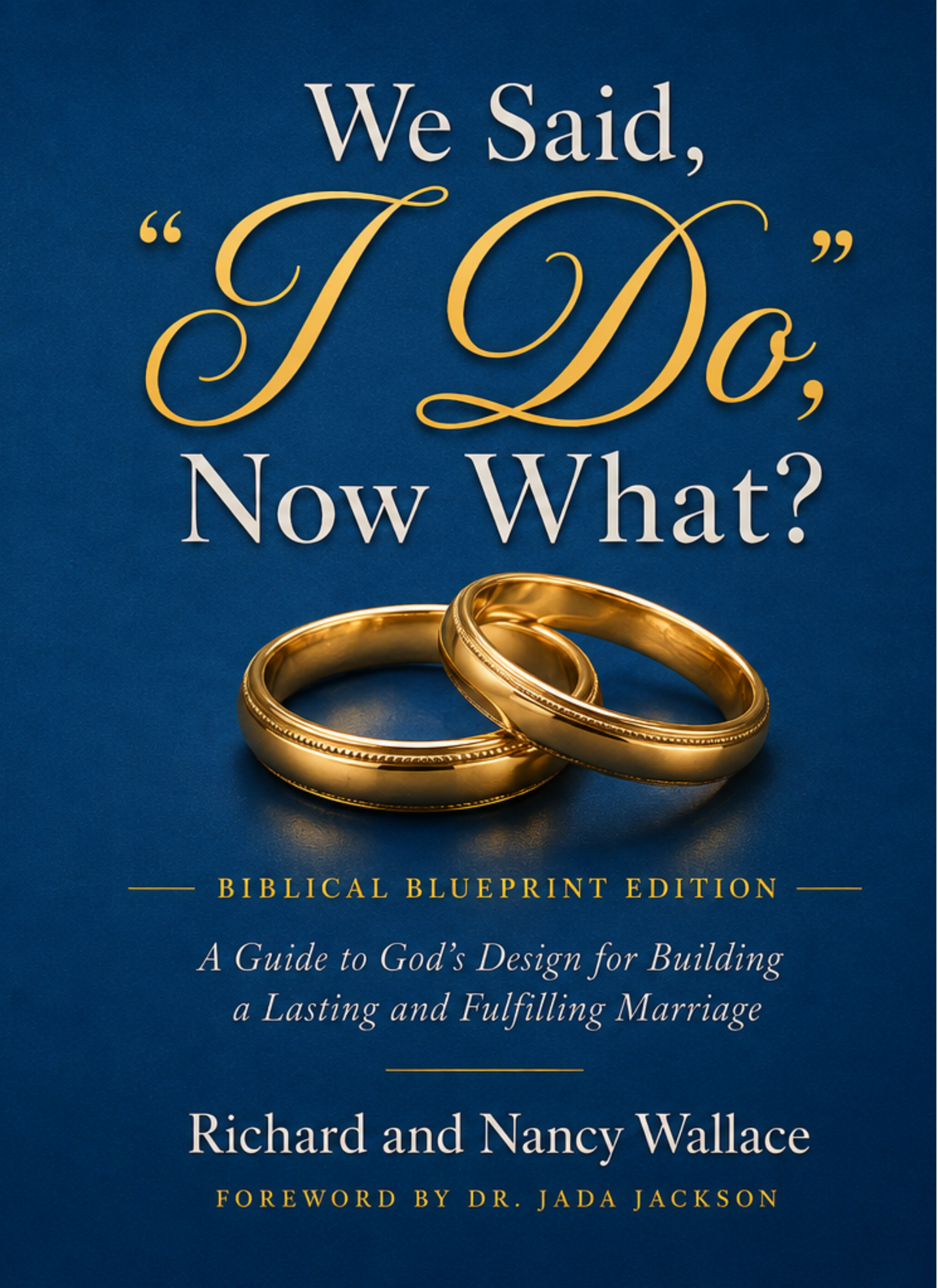
The Biblical Blueprint Edition has 16 chapters, which makes it well suited for an eight-week group study with two chapters per week. Each chapter includes Scripture, a Devotional Insight, Chapter Highlights, Living It Out practices, Questions for Reflection, and a Closing Prayer, giving couples and group leaders built-in material for discussion and application.
How the 8-Week Study Works
Participants read two chapters each week before the group gathers. During each session, leaders can draw on the Scripture, Devotional Insights, Questions for Reflection, Living It Out practices, and Closing Prayers already in the book. A typical session runs 60 to 75 minutes.
Participants can read the Introduction before Week 1 and the Conclusion after Week 8.
This is a suggested format that uses the book itself as the primary study resource. The plan does not include a separate facilitator manual; the book supplies the Scripture, questions, practices, and prayers for each session.
The 8-Week Schedule
Week 1: Building the Foundation
- Chapter 1: The Relationships Reimagined® 7 Foundations Framework™
- Chapter 2: Building a Solid Foundation
Focus. Begin with the seven areas that influence married life: Communication, Conflict, Trust, Intimacy, Finances, Boundaries, and Growth. Then build a shared foundation through a relationship mission and vision, clear expectations, a shift from “me” to “we,” and goals that align with your values.
Week 2: Technology and Financial Unity
- Chapter 3: Technology and Togetherness
- Chapter 4: Achieving Financial Unity
Focus. Explore how technology can serve or strain a marriage, including distraction, digital boundaries, and transparency. Then work toward financial unity through shared decisions, honest conversation about money, and a budget that reflects your priorities.
Week 3: Planning Ahead and Intimacy
- Chapter 5: Planning for the Future
- Chapter 6: Intimacy and Connection
Focus. Plan the future together, including long-term goals, savings, debt, and legacy. Then examine the emotional, physical, spiritual, intellectual, and experiential closeness that supports married life.
Week 4: Romance, Fun, and Play
- Chapter 7: Nurturing Lasting Romance
- Chapter 8: Fun, Adventure, and Play
Focus. Explore romance and play as part of God’s design for marriage: time set apart, small acts of kindness, laughter, shared adventures, and celebrating milestones and everyday wins.
Week 5: Conflict, Forgiveness, and Truth
- Chapter 9: Resolving Conflict with Care
- Chapter 10: Unforgiveness, Lies, and Hidden Truths
Focus. Look at conflict as an opportunity for growth, including emotional triggers, communication styles, and taking a deliberate pause. Then examine forgiveness, honesty, and how hidden truths affect trust and intimacy.
Leader note: both chapters include a “When to Seek Help” section. See the guidance for group leaders below.
Week 6: Hard Seasons and Individual Lives
- Chapter 11: Weathering Storms Together
- Chapter 12: Balancing Individual and Shared Lives
Focus. Prepare to face hardship together through crisis planning, compassionate communication, shared grief, and faith. Then make room for each spouse’s individual gifts, rest, and priorities.
Week 7: Growth, Family, and Boundaries
- Chapter 13: Personal Growth and Development
- Chapter 14: Family, Boundaries, and Belonging
Focus. Explore the personal growth that continues after the wedding. Then set healthy boundaries around family, including in-laws, blended families, cultural and faith differences, and parenting decisions.
Week 8: Roles, Trust, and Lasting Commitment
- Chapter 15: Roles and Responsibilities
- Chapter 16: Trust, Commitment, and Lasting Love
Focus. Close by sharing responsibilities fairly, including unspoken expectations and the mental load. Then build trust and renew commitment through honesty, daily acts of integrity, and simple rituals such as shared prayer.
Suggested Weekly Group Format
A simple 60 to 75 minute session might include:
Opening Prayer
Begin by inviting God into the conversation and the work of the group.
Chapter Recap
Spend a few minutes reviewing the central ideas from the two chapters, using the Chapter Highlights.
Scripture Discussion
Select one or two of the Scripture passages from the week’s reading.
Group Conversation
Use selected Questions for Reflection from the chapters to guide discussion.
Couple Application
Choose a Living It Out practice, or invite couples to discuss how the week’s topic applies to their marriage.
Weekly Commitment
Encourage each couple to choose one practical action to carry into the coming week.
Closing Prayer
Close with a Closing Prayer from one of the chapters, or invite the group leader to pray.
Guidance for Group Leaders
The book itself can serve as the primary study resource.
Leaders do not need to teach every idea from both chapters during the gathering. The meeting can focus on the themes most relevant to the group while couples continue the deeper conversation privately.
Because some chapters address sensitive areas of marriage, leaders may want to set expectations for confidentiality, respect, and appropriate boundaries at the first meeting. Participants should never feel pressured to share private information in a group setting.
Chapters 9 and 10 (Week 5) each include a “When to Seek Help” section. The book states that if a marriage includes abuse or coercion, couples should seek support centered on safety before beginning joint repair work. Leaders should be ready to connect anyone in that situation with appropriate pastoral or professional support in a private conversation.
When concerns require clinical treatment, crisis intervention, legal guidance, or another specialized form of care, participants should be encouraged to seek support from an appropriately licensed professional.
What Participants Need
Each couple should have their own copy of the book. It includes the material used throughout the study: Scripture, Devotional Insights, Chapter Highlights, Living It Out practices, Questions for Reflection, and Closing Prayers.
- Book: We Said, “I Do,” Now What? The Biblical Blueprint Edition
- Edition: Second Edition, 2026
- Publisher: Publish Reimagined™, an imprint of Wallace Consultancy, LLC
- ISBN: 979-8-9935822-0-7
For Churches and Marriage Ministries
This eight-week format can be used for:
- Church marriage ministries
- Couples groups
- Sunday or weekday Bible study groups
- Small groups
- Newlywed and engaged couples groups
- Marriage enrichment programs
The structure can also be adapted for a longer study by covering one chapter per week.
Bring This Study to Your Church or Ministry
If your church, ministry, or couples group is considering this study, Relationships Reimagined® can help you plan how to use the book within your ministry setting.
469-209-1698, contact@relationshipsreimagined.com. Talk With Us About Ministry Use | Explore the Biblical Blueprint Edition
We Said, “I Do,” Now What? The Biblical Blueprint Edition is intended for informational and educational purposes. It is not a substitute for professional advice. Couples facing abuse, immediate danger, or crisis should contact emergency services or an appropriate qualified professional.